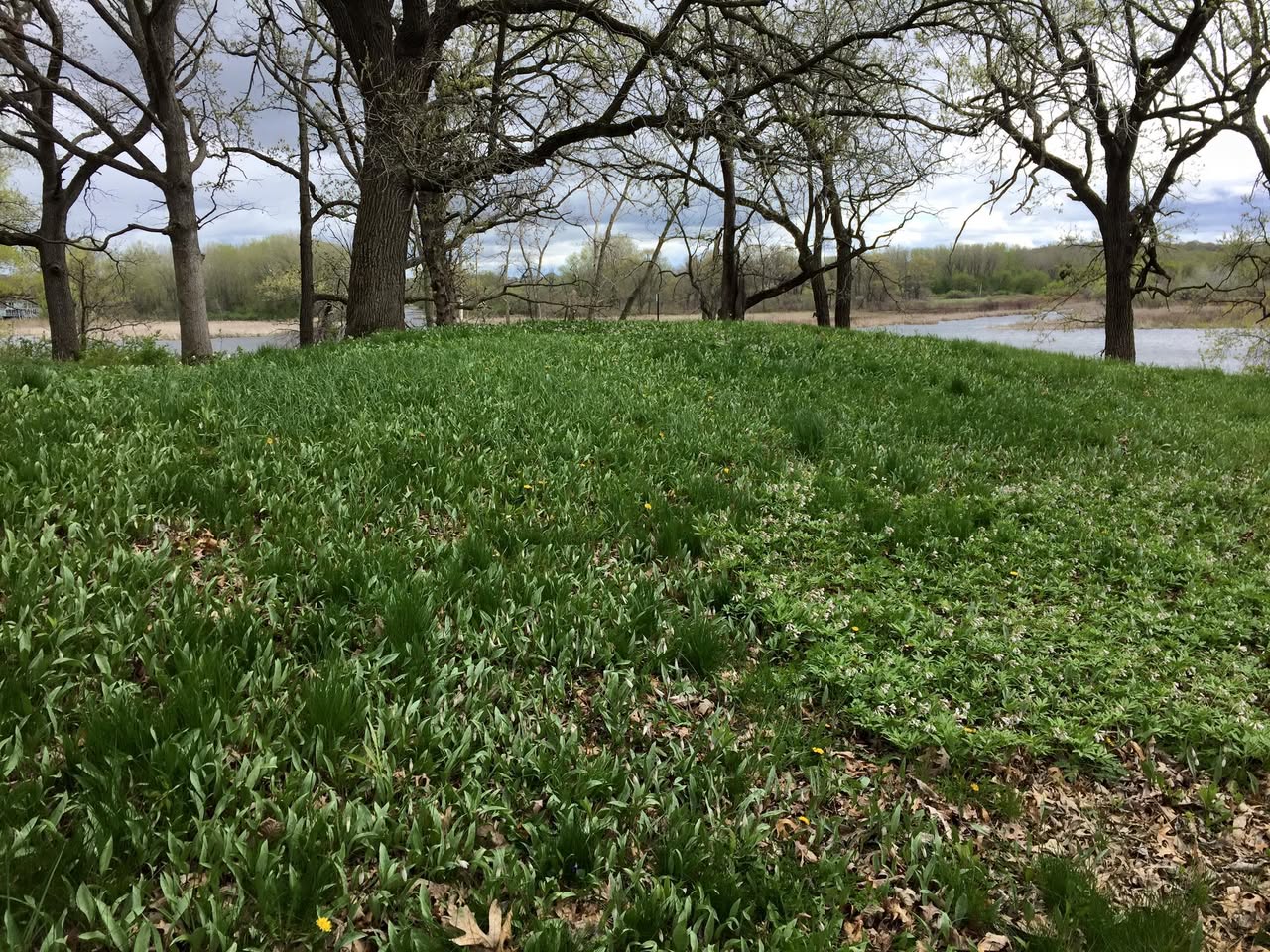
Just down River Road, a short walk from Madison Country Day School, lie effigy mounds, spiritual landmarks that have stood for thousands of years.
If you don’t know what you’re looking for, you might look right past them, thinking they are just grassy rises in the Yahara Heights County Park. But these mounds are often-overlooked aspects of Wisconsin history.
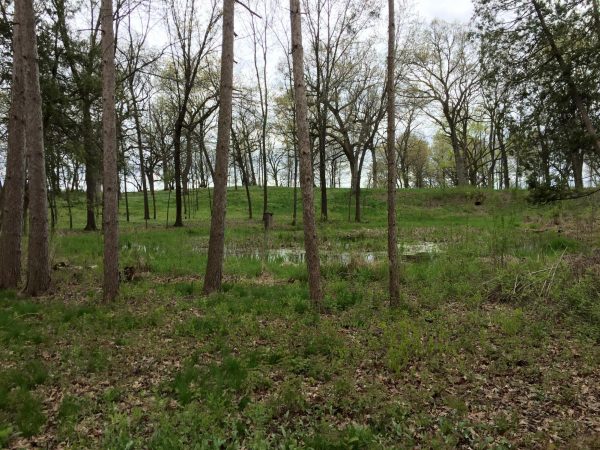
Predating Waunakee, or even the State of Wisconsin, hundreds of these mounds were built all across what is now known as southern Wisconsin. These effigy mounds were built during the Late Woodland period in approximately 800-1000 AD.
Each mound is shaped like a different animal – bears, panthers, birds and water spirits – each of which is said to have symbolized spiritual connections to nature and the afterlife.
This year, the Class of 2029 will visit several times to learn more about the history and significance of the native people who lived here for millennia.
“The effigy mounds give us a deeper perspective about what indigenous life, human landscapes, and values were in the past,” said Beth Behrens, the high school teacher spearheading the ‘Look Locally, Think Globally’ course that is investigating these sites.
“Being able to walk there allows us to see just how close indigenous ancient history is to us,” Behrens said.
The cluster of mounds closest to MCDS is called the Halverson Mound Group, which is a more technical term that archaeologists use, relating back to a family of late European settlers that owned the land several hundred years ago.
This specific cluster has different animal formations. A more-than 200 feet 200-feet-long panther mound, and several smaller bear mounds. For the Ho-Chunk tribe and other Wisconsin native communities, the shape of a mound holds meaning about the ancestors that may be buried there. The panther is linked to water and the underworld, while the bear may represent strength and the earth.
“Effigy mounds are an excellent illustration of how humans have changed natural landscapes over time, Behrens said. “They also help us to appreciate indigenous history more deeply by thinking about people who lived in the same place as us in the ancient past.”
These effigy mounds are some of the only truly well-preserved landmarks that mark where and what our early native ancestors were doing along the Yahara River long before Wisconsin land was touched by any European settlers.
The park has a looping trail system where sandhill cranes are commonly seen. The main entrance is on Catfish Court, but there is also an entrance on River Road, almost walking distance of MCDS. The actual effigy mounds are not marked with any sort of monument, just a small trail sign indicating their significance and asking visitors to treat them with respect.
Many regional effigy mounds have been destroyed by road construction and other industrialization by settlers in the last 200 years. This makes the Halvorson Mound Group even more important as it represents and carries on the traditions and culture of native Wisconsin life.
The Class of 2029 will continue to learn about the history of Wisconsin throughout the year.