February is here, and so is Black History Month, a time to honor the achievements and history of Black Americans past and present.
Black History Month was created by historian Carter G. Woodson. In 1926, he launched Negro History Week as a way to recognize the contributions of Black Americans of which most people weren’t aware. It took place in the second week of February because it includes the birthdays of Abraham Lincoln and Frederick Douglass, two figures who fought against the enslavement of Black people. The week was extended into a month in 1976 by President Gerald Ford, becoming Black History Month.
“History informs not just the present, but the future as well,” Diploma Program English teacher Sheillah Lupao said. Lupap incorporates Black history into her lessons throughout the year rather than focusing on it only in February. She’s currently teaching “Between the World and Me” by Ta-Nehisi Coates, which addresses the history of slavery and systemic racism.
Lupao said she thinks it’s important for all MCDS students to learn about Black history, not just students of a certain demographic.
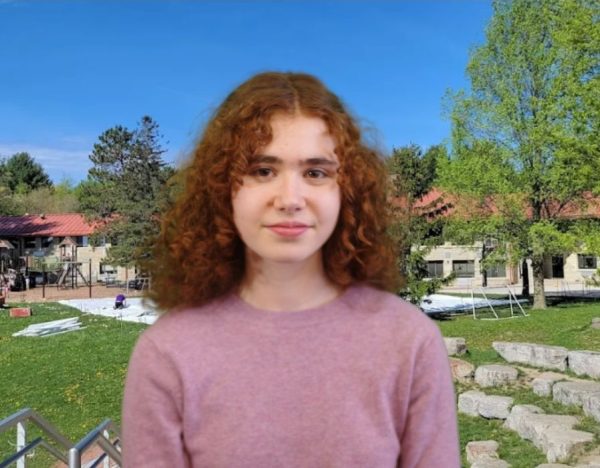
For some students, Black History Month carries deep personal significance. Savanna ’28 has many connections to Black history through her own family, whose experiences span generations and reflect both the struggles and triumphs of the Civil Rights era.
Her grandmother was born and raised in Tuscaloosa, Ala. in the 1940s, when racial discrimination was prevalent.
“When she was little, the Ku Klux Klan broke into her home,” Savanna said. A rumor had spread about a Black man in her town, and her great-grandfather was racially targeted. He wasn’t killed because of his connections to the local university, but it was still a formative memory for her grandmother.
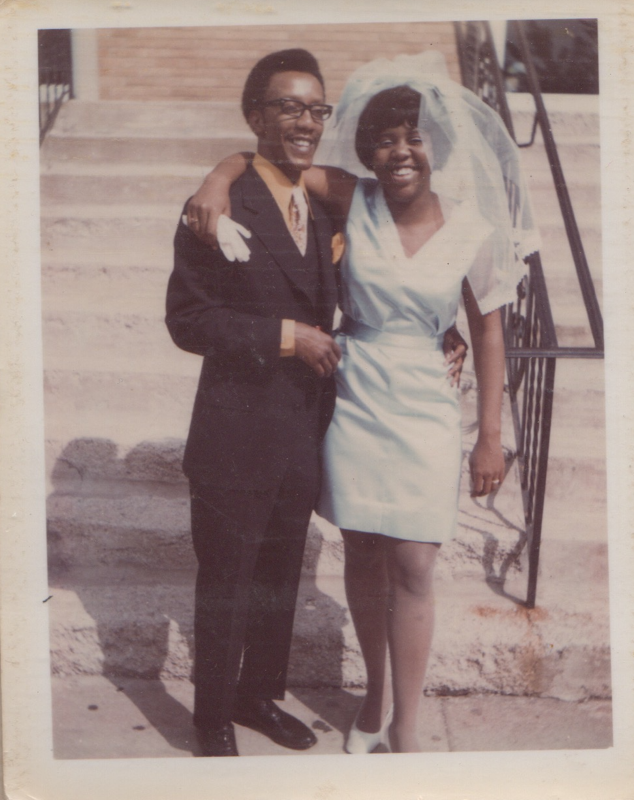
Savanna’s grandmother moved to Gary, Ind. when she was 12, and her family met the Rev. Martin Luther King, Jr. through her church. They were able to help with some of his protests and became part of the larger Civil Rights movement.
She also had a connection to another important Black figure: She and the singer Michael Jackson attended the same high school, although he was much younger. Savanna’s grandmother was a member of Alpha Kappa Alpha, a well-known Black sorority, and met famous members including Vice President Kamala Harris and honorary member former First Lady Michelle Obama.
Savanna’s grandfather was born and raised in Belzoni, Miss. in the 1940s. He moved to Gary, Ind. at 18 because of the many lynchings where he grew up. After returning from the Vietnam War, her grandfather earned his degree at Indiana University and then went to the University of Wisconsin-Madison, where he became one of the first Black lawyers in Wisconsin.
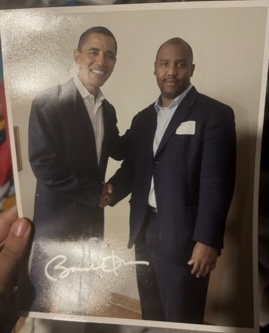
Savanna’s father followed in his parents’ footsteps and founded many nonprofit organizations. They include Madison365, which is dedicated to reporting news on and highlighting people of color in Wisconsin, and Fox Valley 365, which focuses on businesses owned by people of color. He was the first Black person to run for lieutenant governor of Wisconsin, paving the way for Mandela Barnes, who became the Democratic nominee for U.S. Senate in 2022. He also worked with Barack Obama throughout both his terms.
The adults in Savanna’s family aren’t the only ones who have made an impact: Her sister, Talia, is ranked one of the top basketball guards in the country for 2030. Her brother, Henry, is ranked first for taekwondo in Wisconsin among kids with special needs.
Savanna continues to be inspired by her family’s legacy. “These stories inspired me to embrace my Black culture because my family has had to overcome a lot to get where we are,” she said. She specifically named a poem called “Black Skin Girl” that won a writing competition when she was in sixth grade.
This month is a great time to learn about someone else’s culture through your own research or to explore more about your own.